It’s a strange phenomenon – the erosion of the individual and their unique thinking and style. I stand back and watch it with sadness in the arena of systems thinking. There are two ways I see this happening:
The first happens when a really enthusiastic and forward thinking systems thinker does not have faith or confidence in their own style and approach. I watch them as they grow at first. They have original thoughts. They are excited and committed to their own learning. They move forwards leaps and bounds beyond anything that’s currently out there. But then, it happens! Because they are starting to get ahead of the game, they stand alone. I watch as they migrate towards the crowd, seeking connection, ratification or a platform for their voice. They are sucked in by those who understand the game – the need for recognition and/ or even prestige. They wait like praying animals for the unsuspecting practitioner walk their way. They nurture them into their fold, secretly feeding off them at the same time. What I see outwardly is the once vibrant, enthusiastic and insightful practitioner melting into the shadows. Their narrative becomes nothing more than the rhetoric of the group. Their originality melts into a big, soppy puddle. They lose themselves. Their social media posts become less inspiring, their original thinking is eroded and they are lost to a space of the average, the mediocre, the ordinary. A brilliant practitioner lost to the crowd. I can name at least three instances over the last couple of years where someone I know could have been and would have been brilliant if they had followed their own course. They are now gobbled up by the gang, following those who they perceive will give them prestige by association, their original thinking now nothing but a distant memory.
The second is related to those who wish to have prestige in the arena of systems thinking or think that because of their job/ position they should have original and inspiring thinking. The trouble is that you cannot force originality or creativity. It tends to be something deep inside of us waiting to be unlocked. These people (I will say people because more often than not, they are not practitioners, have no experience or qualification but like to try and take a short cut to recognition) feed off others’ thinking, re-hash it, then use their gang to spread the word. What is sad is that in following everyone else, they never really ‘Create the Conditions©’ for their own creativity to emerge. It is just a reworked version of someone else. Of course, all of our practice builds on those who come before us, but pure regurgitation suggests a lack of authenticity. I often wonder why they don’t trust themselves enough to embrace that which might enable them to be receptive to their own learning. Is the race to ‘win’ too intoxicating?
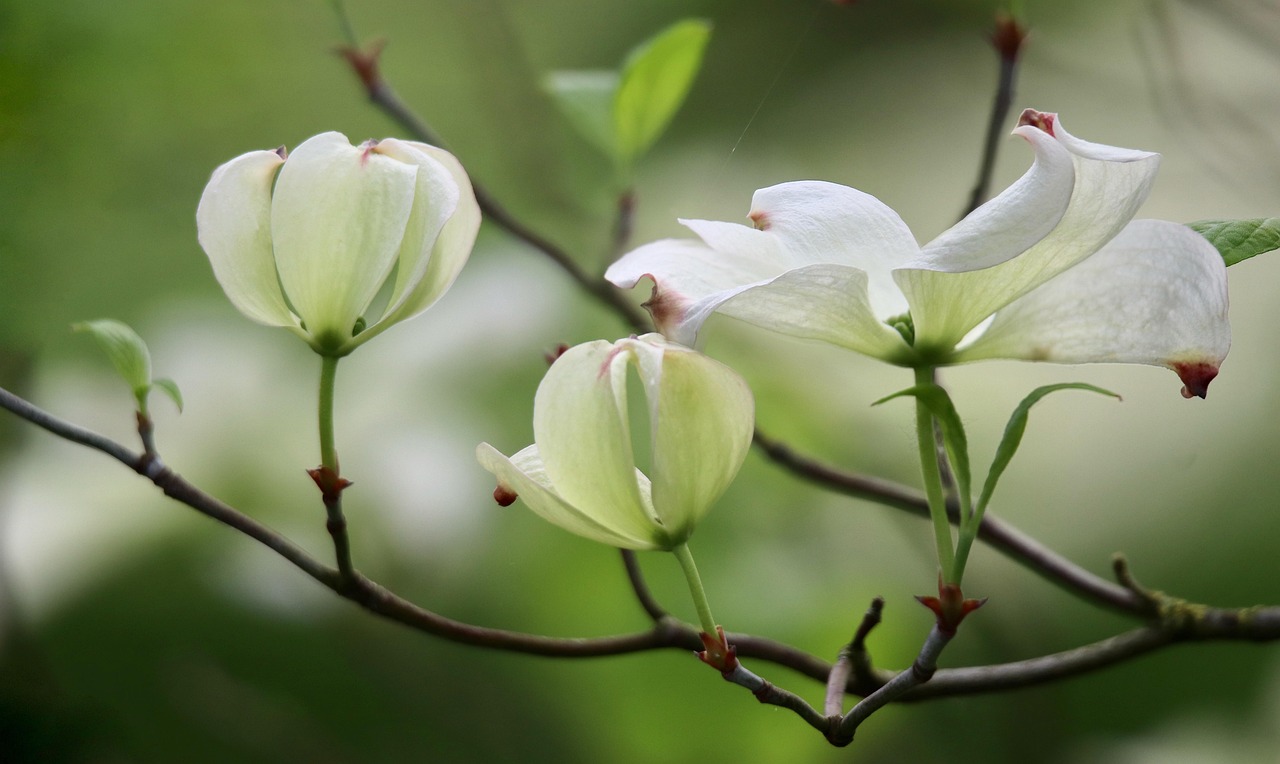
My suggestion to newer practitioners in the field is to trust yourself. Step into your own creativity. Feel it, live it and let it blossom. Do not melt into the background just to fit in. No-one is going to tell you when your thinking is way beyond what they could conceive, so don’t expect pats on the back if you are doing well. You might sit in a lonely place because no-one understands you but I say ‘go with it’. Trust your journey and don’t let those who could not walk your journey stand in your way.
‘Creating the Conditions©’ for your creativity to emerge.

 systems practitioner Ltd
I have observed this as well! I have come to a personal place in which I challenge myself to respect and recognize what feels distinct about my thoughts from others’ thoughts while also recognizing what feels similar to their thoughts in me. I have started to use the visuality of the Venn Diagram as a mental model to fully embrace my thoughts on both sides of this coin. I believe that creativity is both self and other inspired. So I expect to have thoughts which are uniquely my own and thoughts spoken by authority figures. Now using a Venn diagram visual framing, I am playing with seeing a two component diagram which can show a region of overlap which represents thoughts which are “the same as” or “align” with others’ thoughts, and then the region of non-overlap for each component (person) of the diagram. I am finding myself much less emotionally disturbed by the force that pulls me toward a commonality….the region of overlap. It now co-exists more peacefully with the regions of distinction of each component…the equal pull of necessary diversity. And if I want to use a more dynamic mental model to quieten my heart/mind, I fall back on the centuries old Taoist symbol of Yin/Yang. It’s almost too bad this simple symbol carries such religious overtones because I think this cultural filter has prevented the wider dissemination of the dynamic nature of “othering” in the first place. Just two cents, and I’d love to learn about others’ experiences using visual mental models as strategies to manage their emotional swings. A book which I have found very helpful to deal with this “expert opinion” phenomenon, is called “Think for Yourself”, by Vikram Mansharamani. I heard at a recent participatory modeling webinar that when a group allows everyone to “own and express their own creative thoughts” to build the model, they are much more likely to feel motivated to implement the goals of the model building process! Now that’s multi solving if you ask me!
LikeLike