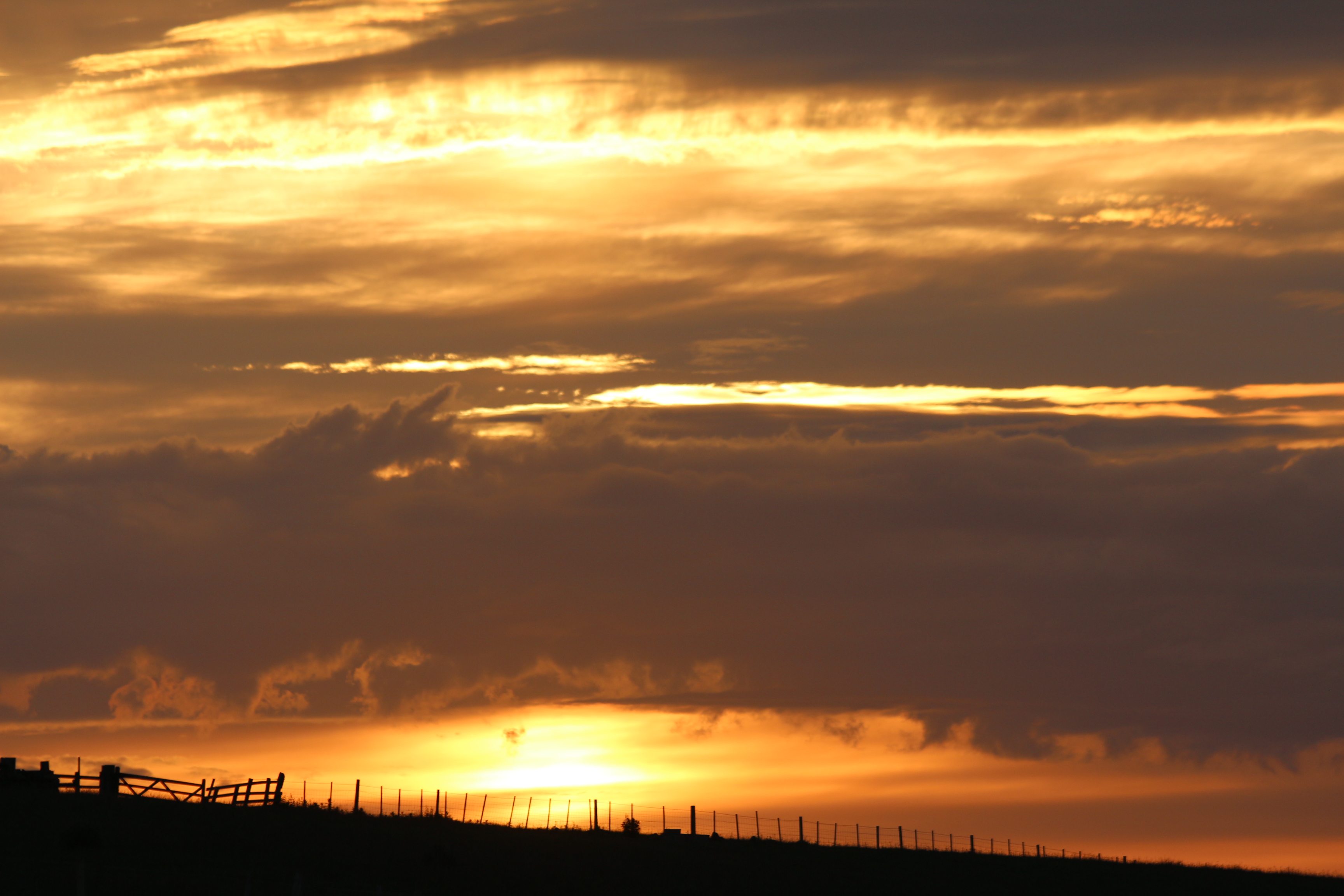
Life, just not as we used to know it

Back in 2020 when we were locked down for the first time, I got a deep sense that our lives were never going to be quite the same again. It went deeper than just superficial fear in response to our newly imposed restrictions. I felt something very deep inside that I could not articulate. Suddenly, conversations that once mattered became insignificant. Things I cared about or worried about all changed. Something was emerging, something big but I couldn’t put my finger on what it was.

Rather than dragging you through every developing thought between then and now, I am going to jump to the present day, here in October 2026. As a systems thinking practitioner, the patterns all around me, the interconnections, the emergence, the shifting sands, the written and unwritten ‘rules of the game’ are at the forefront of my mind. After all, that’s what I do. It’s what I am educated in understanding and experienced at recognising in the real world. Here, now in 2026, I feel a shift in our environment like never before.

I see infrastructures, which were likely years in the making, right under our noses, suddenly showing themselves for what they are. The interconnections between different elements of our data, how our lives are monitored and controlled and what that could mean for us in the future. At first, I was shocked at what I perceived to be the speed of the changes. Then I became even more shocked at the realisation that it isn’t happening quickly but has been happening over many years and we haven’t recognised it for what it is until it has started to jump up and bite us.

At one time in the past, we were frustrated at speaking to an odd chat bot. Now, we don’t just have an odd chat bot but we have a matrix of chat bot to chat bot and we, the humans, seem to be the odd thing out. I had an experience today with a parcel delivery. The courier said they delivered it. They didn’t (or at least they might have done, just not to me). Usually, I’d just call them up and the driver would realise where it was, retrieve it and bring it to the right address. Instead, today I got an automated message that had a link to click for ‘issues’. Of course, the link didn’t work. I tried to contact the courier but all I got was a chat bot with standardised answers. An impenetrable brick wall. I went back to the company I ordered from, only to find that they too now only answer queries by their chat bot. So I went from pillar to post, chat bot to chat bot and as you can imagine, nothing was resolved.

This is what we have sunk to on a daily basis and this is not even about the bigger, greatly concerning things that are happening. It is a daft little example, that is relatable to everyone. We are trapped in chat bot and automated message hell. The craving to speak to a human is insatiable.

When I first developed Creating the Conditions for Change© it was my work with the viable system model that inspired it. I focussed on the human elements of the work. I drew on the relational aspect that had driven some of the early work back from 2005 and the whole approach was about being and doing in the world, human to human. It is so desperately needed but so desperately far away from what I think we are going to find ourselves intricately entrapped in very soon.

No longer will understanding the intricate complex situation be enough. No longer will modelling it be enough. No longer will good relationships between colleagues, teams or organisations be enough. The shifts are bigger than this. We are going to have to learn to survive in a world we barely recognise, where structures, policies, rules and regulations will have changed beyond our wildest imagination. We, as humans, may even change beyond what we can imagine now.

I generally don’t sweat the small stuff anymore as it seems so insignificant. That is one of the reasons I am much quieter nowadays. No-one really knows what is coming next but I do believe we are going to be truly tested. By that, I mean we are soon going to find out whether we can actually deal with emergence because what is going to emerge could be bigger than anything we can even begin to imagine. We are all going to have to adapt and I don’t think anyone can tell us how to adequately prepare.

This is relevant because what we advise organisations or groups to be nowadays is adaptive. We encourage them to form relationships, reciprocate with others, keep themselves open to learning and change etc. We are all soon going to have to put that advice into practice in our own worlds and go so very much beyond this too. I wonder just how well we will cope…….

Like the wind

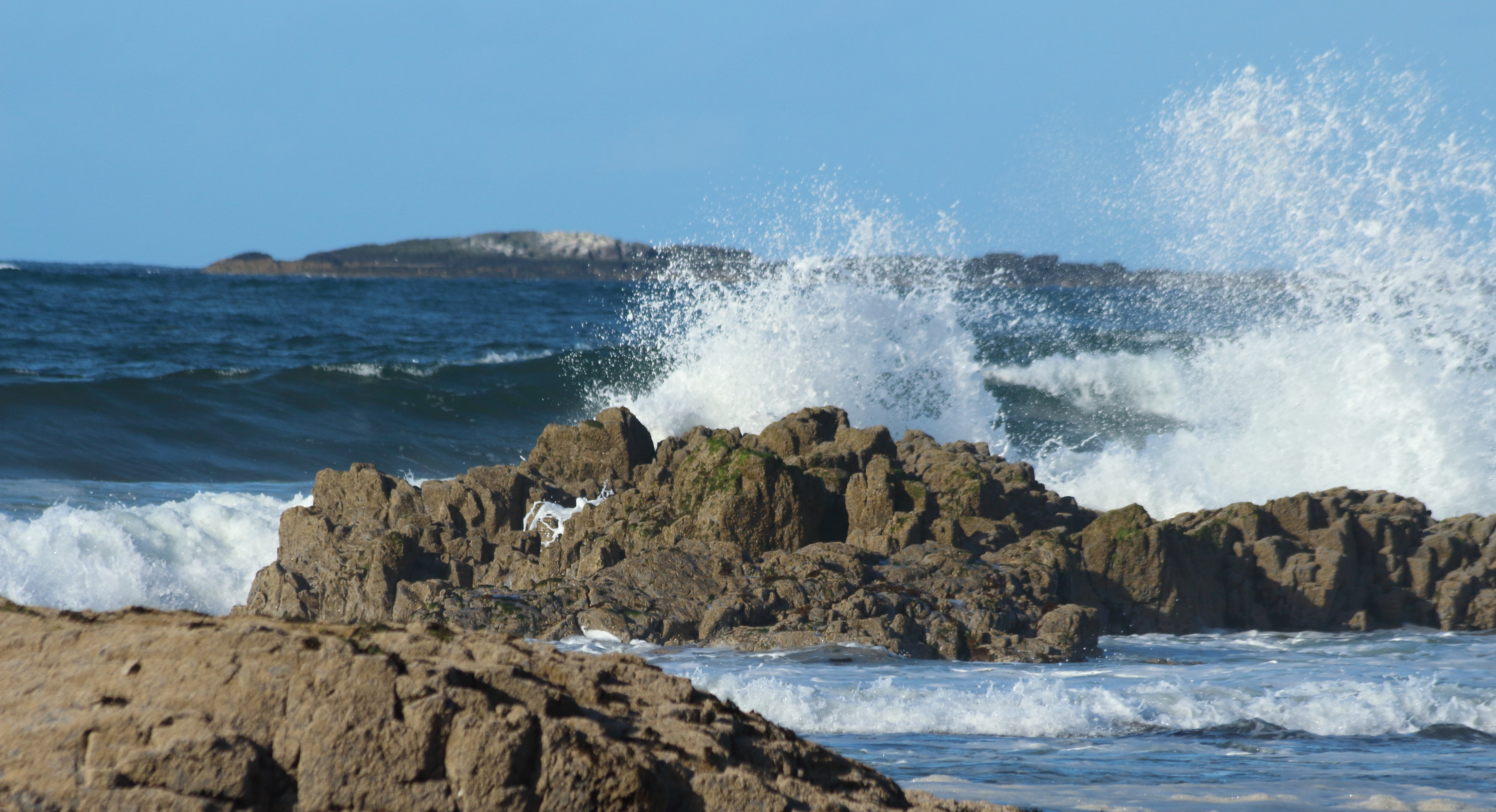
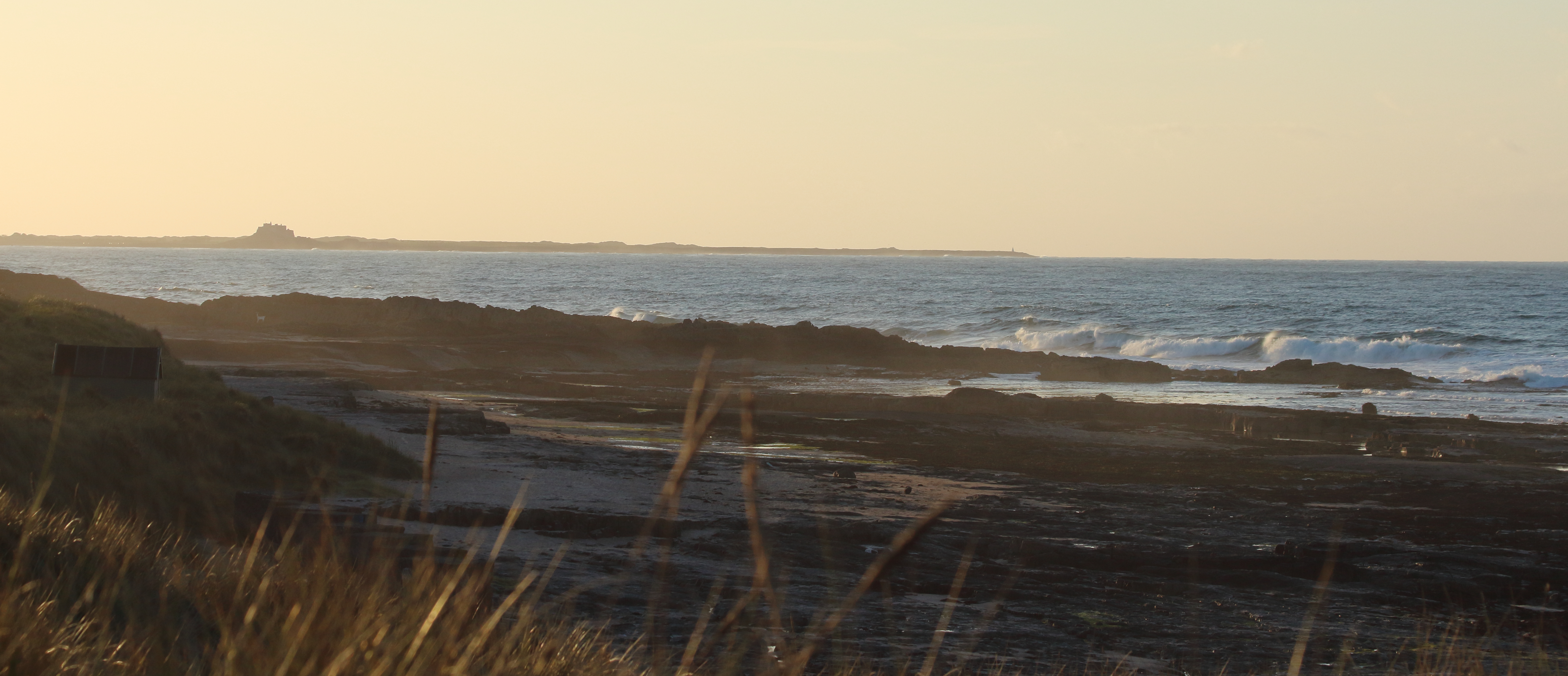
Standing on a vast expanse of coastline with no other people around is one of the most liberating feelings I know. It is made even more special by the feeling of the wind. There is nothing quite like the wind from the across the sea. It is fresh and clear and makes me feel alive. When I am further inland, I miss the wind. I miss how it makes my skin tingle and my lungs expand. How it brings me in touch with our natural world, rather than the stale stagnation of our offices and buildings, swimming with an electronics induced atmosphere, shielding us from our natural environment.

You can choose the type of wind that flows through your systems practice and subsequently your work environment. The gale that disrupts, the breeze that calms, the gust that displaces the negative and replaces it with a refreshing positive. It can be the bringer of worrisome illness or the displacer of workplace disease. It can unleash upon others the chaotic, whipping them up into its gale force gusts or wash over them a serotonin inducing calm.

Your wind can share energy and information, it can bring warmth and awareness or it can bring a soothing coolness when things get hot. The wind of your practice can sculpt the next stage of your journey, perhaps blowing you to places you never expected. Without wind it is easy to experience a stagnant stillness, sucking out your life and replacing it with stale emptiness, making you feel disheartened.

This often invisible but undeniably powerful force – the wind of your practice – is a creator. A workplace circulatory system in motion. A shaper and bringer of new life. You can choose the wind of your practice, it is part of you, and of course, it will change often, just like our weather system does.

It is the wind you create that defines the conditions for flourishing and change. It is the same wind that creates the conditions for your existence in that place. The conditions that welcome the wind, in whatever strength or patterns required for ongoing orientation and survival in your environment. There is, of course, the option to resist the wind and retain in place the stagnant air that brings tiredness and demotivation.

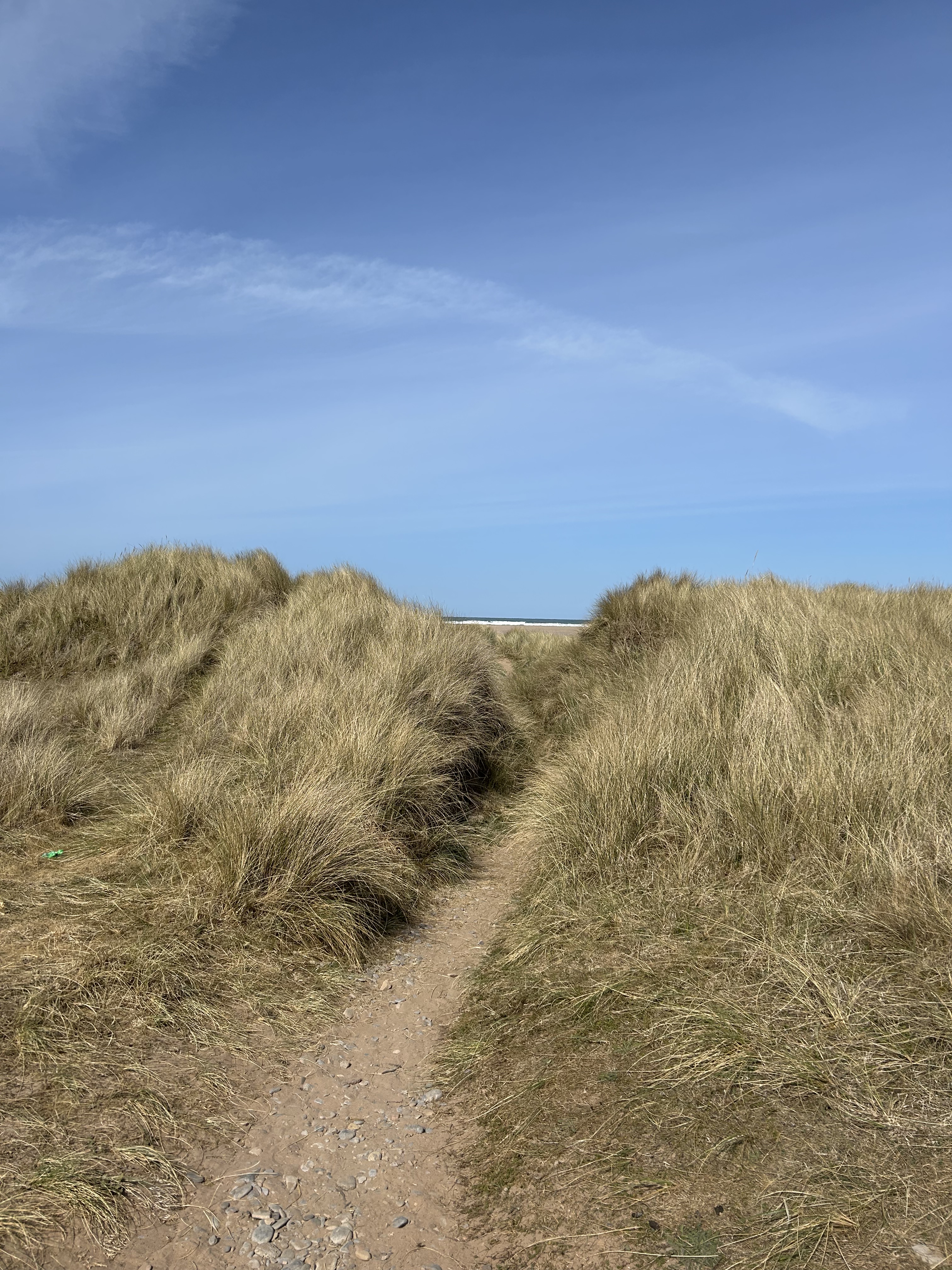
I call the picture above the ‘pathway to heaven’. I don’t believe in such a place but if it was real, then for me it would look like this. This is a pathway to a massive expanse of coastline where I hear nothing but the roar of the sea, the gushing of the wind and the delicate birdsong penetrating through both. It reminds me that our systems practice can be the bringer of such life or the destroyer of such life. Which do you aspire to be – the creator of the conditions for our humanness to flourish or the destroyer of our natural ways?

Who are you? Tales from ‘Crossing the Bridge’ and the ‘Creating the Conditions©’ series of systems thinking approaches.

It’s a strange phenomenon – the erosion of the individual and their unique thinking and style. I stand back and watch it with sadness in the arena of systems thinking. There are two ways I see this happening:

The first happens when a really enthusiastic and forward thinking systems thinker does not have faith or confidence in their own style and approach. I watch them as they grow at first. They have original thoughts. They are excited and committed to their own learning. They move forwards leaps and bounds beyond anything that’s currently out there. But then, it happens! Because they are starting to get ahead of the game, they stand alone. I watch as they migrate towards the crowd, seeking connection, ratification or a platform for their voice. They are sucked in by those who understand the game – the need for recognition and/ or even prestige. They wait like praying animals for the unsuspecting practitioner walk their way. They nurture them into their fold, secretly feeding off them at the same time. What I see outwardly is the once vibrant, enthusiastic and insightful practitioner melting into the shadows. Their narrative becomes nothing more than the rhetoric of the group. Their originality melts into a big, soppy puddle. They lose themselves. Their social media posts become less inspiring, their original thinking is eroded and they are lost to a space of the average, the mediocre, the ordinary. A brilliant practitioner lost to the crowd. I can name at least three instances over the last couple of years where someone I know could have been and would have been brilliant if they had followed their own course. They are now gobbled up by the gang, following those who they perceive will give them prestige by association, their original thinking now nothing but a distant memory.

The second is related to those who wish to have prestige in the arena of systems thinking or think that because of their job/ position they should have original and inspiring thinking. The trouble is that you cannot force originality or creativity. It tends to be something deep inside of us waiting to be unlocked. These people (I will say people because more often than not, they are not practitioners, have no experience or qualification but like to try and take a short cut to recognition) feed off others’ thinking, re-hash it, then use their gang to spread the word. What is sad is that in following everyone else, they never really ‘Create the Conditions©’ for their own creativity to emerge. It is just a reworked version of someone else. Of course, all of our practice builds on those who come before us, but pure regurgitation suggests a lack of authenticity. I often wonder why they don’t trust themselves enough to embrace that which might enable them to be receptive to their own learning. Is the race to ‘win’ too intoxicating?

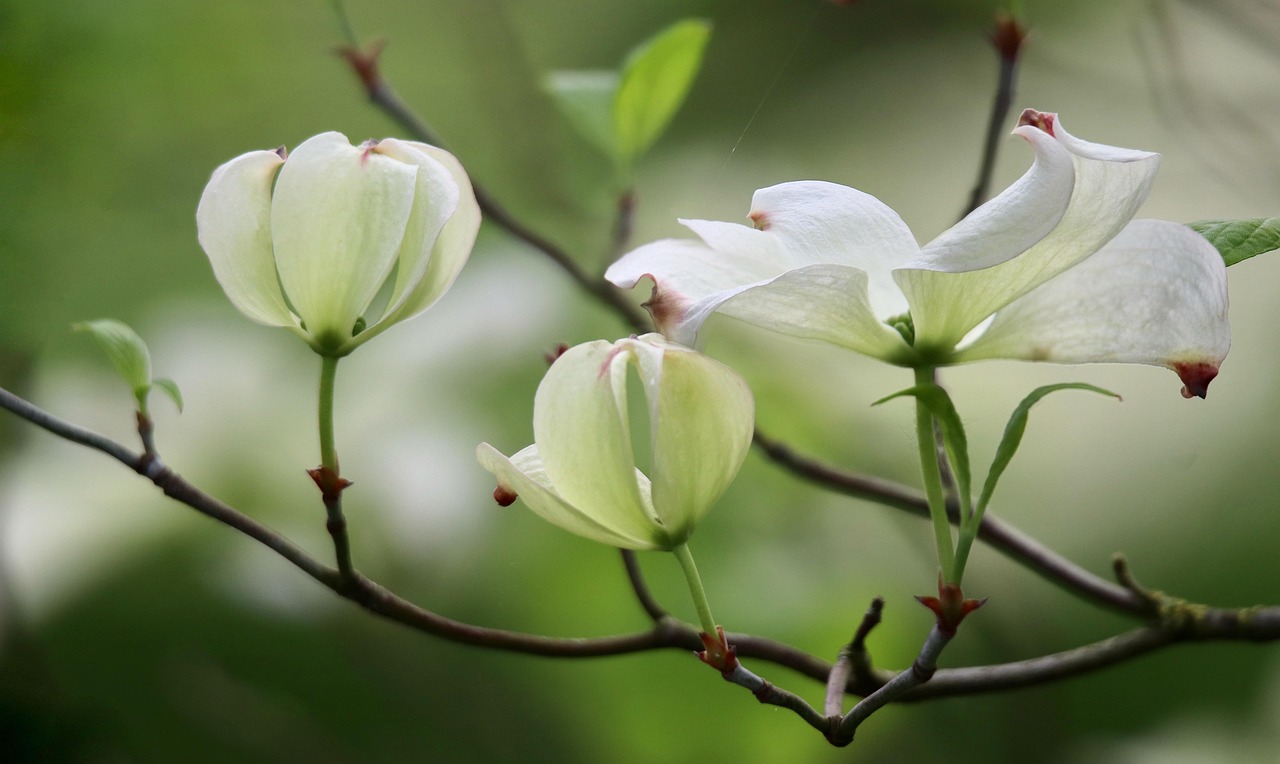
My suggestion to newer practitioners in the field is to trust yourself. Step into your own creativity. Feel it, live it and let it blossom. Do not melt into the background just to fit in. No-one is going to tell you when your thinking is way beyond what they could conceive, so don’t expect pats on the back if you are doing well. You might sit in a lonely place because no-one understands you but I say ‘go with it’. Trust your journey and don’t let those who could not walk your journey stand in your way.

‘Creating the Conditions©’ for your creativity to emerge.