Like the wind

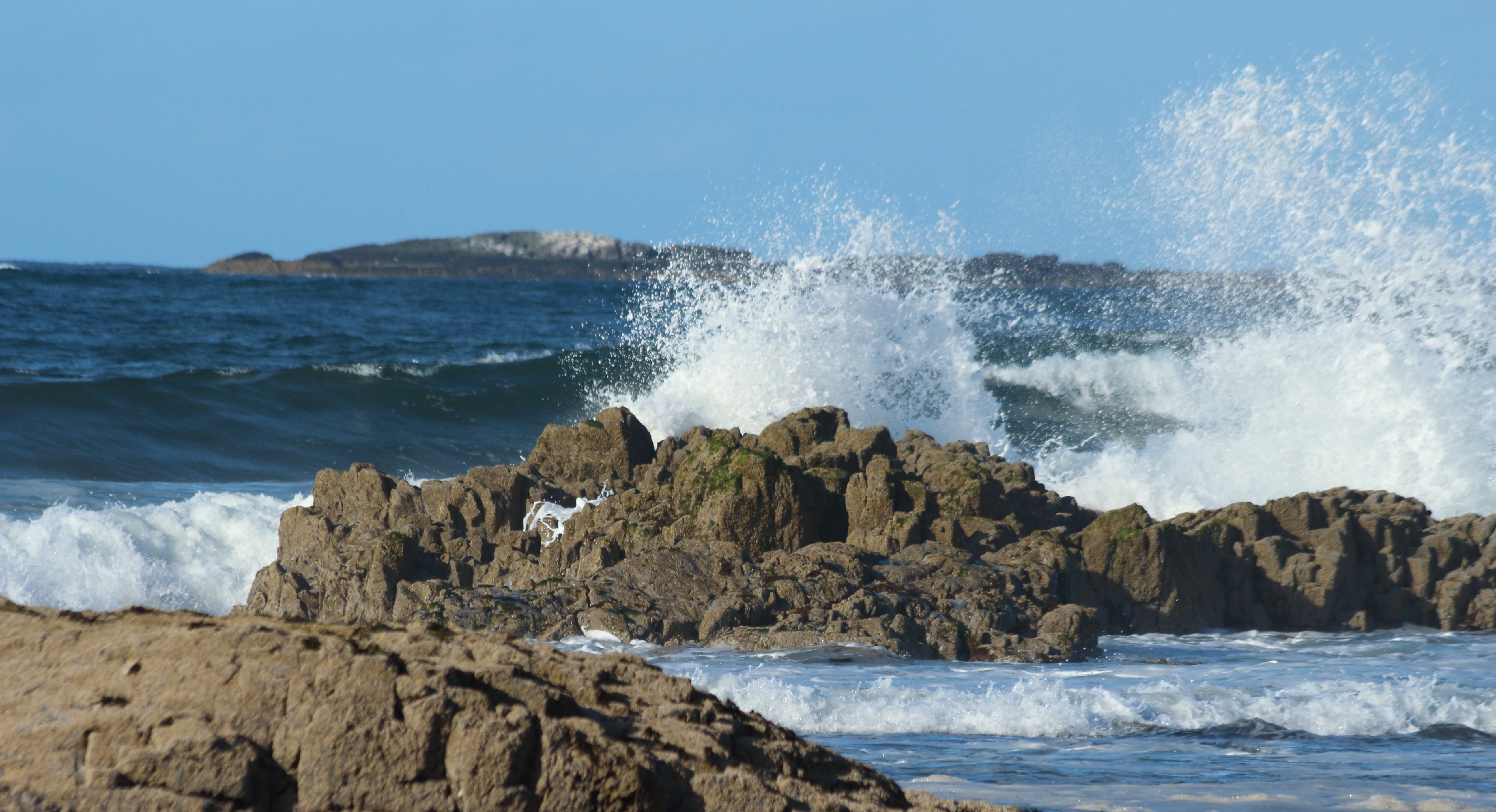
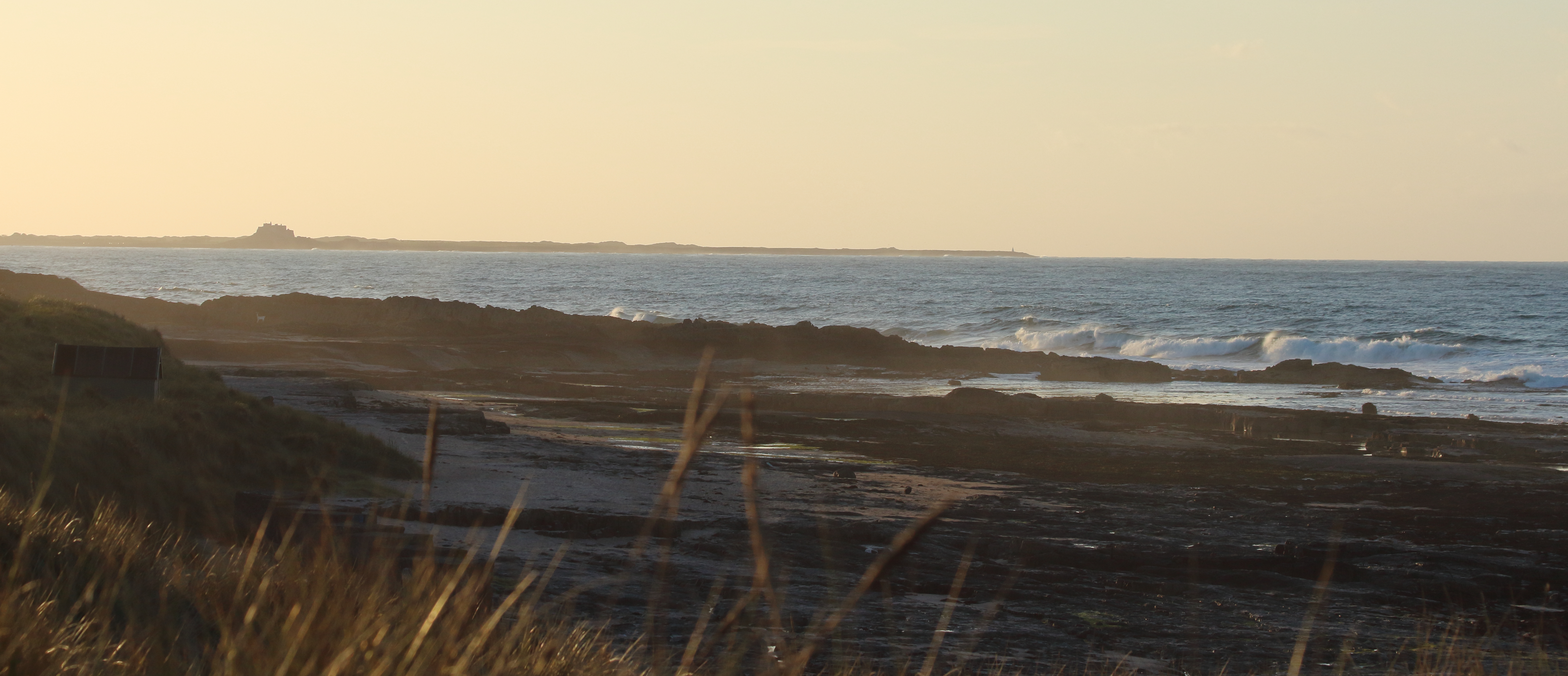
Standing on a vast expanse of coastline with no other people around is one of the most liberating feelings I know. It is made even more special by the feeling of the wind. There is nothing quite like the wind from the across the sea. It is fresh and clear and makes me feel alive. When I am further inland, I miss the wind. I miss how it makes my skin tingle and my lungs expand. How it brings me in touch with our natural world, rather than the stale stagnation of our offices and buildings, swimming with an electronics induced atmosphere, shielding us from our natural environment.

You can choose the type of wind that flows through your systems practice and subsequently your work environment. The gale that disrupts, the breeze that calms, the gust that displaces the negative and replaces it with a refreshing positive. It can be the bringer of worrisome illness or the displacer of workplace disease. It can unleash upon others the chaotic, whipping them up into its gale force gusts or wash over them a serotonin inducing calm.
Your wind can share energy and information, it can bring warmth and awareness or it can bring a soothing coolness when things get hot. The wind of your practice can sculpt the next stage of your journey, perhaps blowing you to places you never expected. Without wind it is easy to experience a stagnant stillness, sucking out your life and replacing it with stale emptiness, making you feel disheartened.

This often invisible but undeniably powerful force – the wind of your practice – is a creator. A workplace circulatory system in motion. A shaper and bringer of new life. You can choose the wind of your practice, it is part of you, and of course, it will change often, just like our weather system does.

It is the wind you create that defines the conditions for flourishing and change. It is the same wind that creates the conditions for your existence in that place. The conditions that welcome the wind, in whatever strength or patterns required for ongoing orientation and survival in your environment. There is, of course, the option to resist the wind and retain in place the stagnant air that brings tiredness and demotivation.
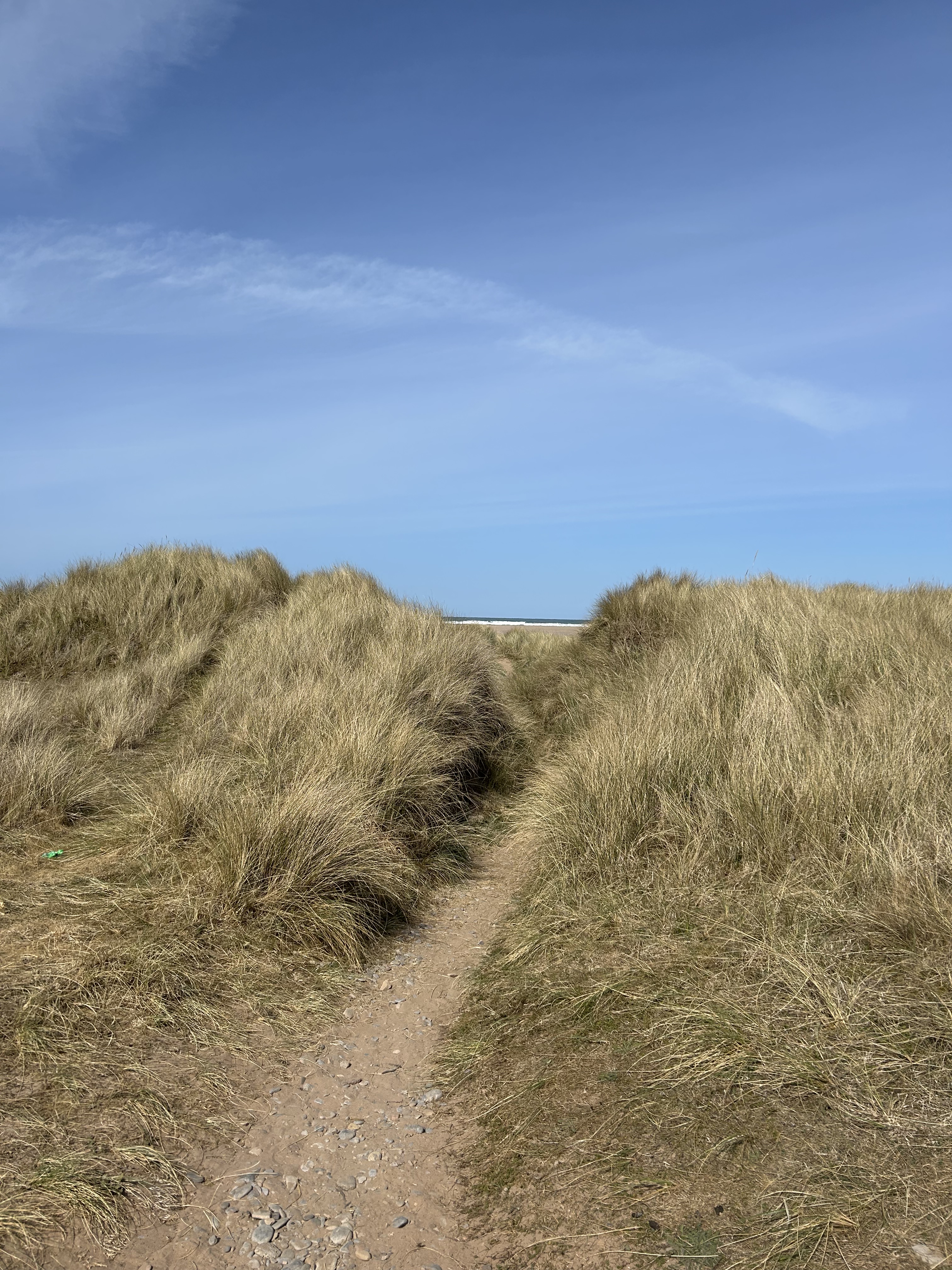
I call the picture above the ‘pathway to heaven’. I don’t believe in such a place but if it was real, then for me it would look like this. This is a pathway to a massive expanse of coastline where I hear nothing but the roar of the sea, the gushing of the wind and the delicate birdsong penetrating through both. It reminds me that our systems practice can be the bringer of such life or the destroyer of such life. Which do you aspire to be – the creator of the conditions for our humanness to flourish or the destroyer of our natural ways?


How my systems practice and my hobby follow a similar path

I am not a professional photographer, not by a long way, but it is my hobby and I thoroughly enjoy it.

It struck me how my hobby and my systems practice take similar paths. When I started out with photography I bought a good all round lens. One that would do macro photography and distance and in particular I wanted to photograph birds. Nearly 20 years on I still use that trusty lens. I know it inside out. I know how it performs. I know when to push it and when not to. It almost becomes a part of me as I scan the landscape for an interesting framing. It was a long time before I would move on from that lens and that was purposeful. I wanted to make sure I could master every setting it had to offer. I didn’t just want to use the easy, pre programmed settings but I wanted to savour everything it had to give. To understand it in depth. I had done the same in the past with a basic bridge camera, mastering it by continuously tinkering until I knew it inside and out. I was not frightened of getting things wrong. When they did go wrong I tried again until I got a result I liked. I never viewed it as failure, just learning and I loved the learning process. Getting a bad picture was just as satisfying because it taught me something else about me, the camera and how we operated together. It was exciting if things went wrong because it taught me what not to do next time.

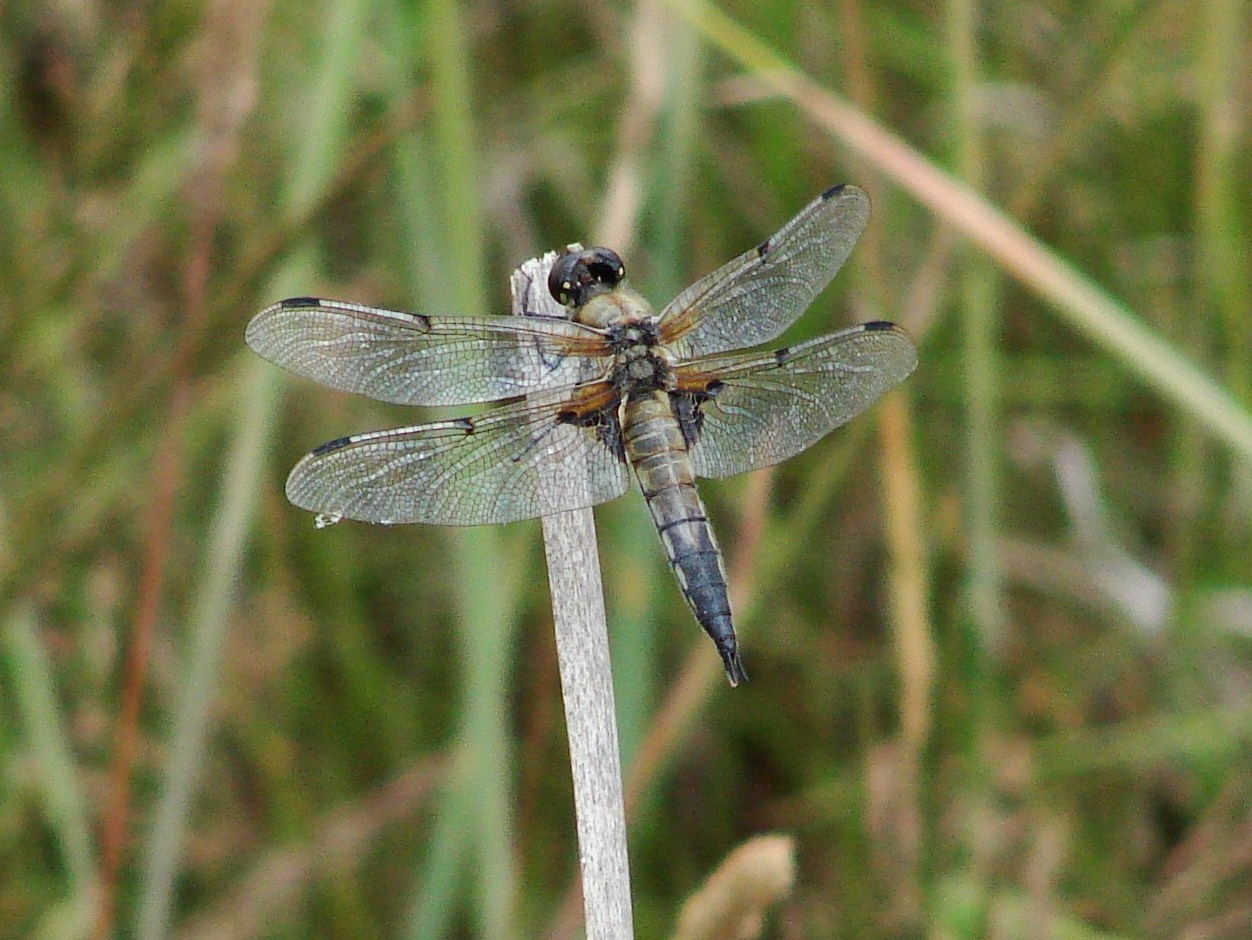
Taken with a humble bridge camera in 2007-2008

My systems practice is the same and I use the same tactic when I train others: master the basics. Master them until you know them inside out. Learn when systems concepts and ideas are applicable and when they are not. Learn what they look like and feel like when they show up in public services or in a community setting. It takes years to master such concepts. I mean to really master them. If someone comes along and tells you they have mastered them in great depth only a few years, I would say that they probably haven’t mastered them at all. I started formal education in systems thinking in 2006. Today, in 2025 I still remind myself to go back to the basics and gain greater mastery of them.

My ethos when training and educating others is to encourage people to gain the best insights about the basics of systems thinking that you can and never stop learning. True application isn’t about using someone else’s approach but understanding the basics and developing your own approach, relevant to your own context. If you do use someone else’s approach, you can guarantee that you won’t get as much value from it without a strong understanding of basic systems thinking concepts and ideas.

Nowadays, my focus is on encouraging others on a path to deeply embodying systems thinking.

It is just like my photography – on an journey of deep and enjoyable learning.