
Standing on a vast expanse of coastline with no other people around is one of the most liberating feelings I know. It is made even more special by the feeling of the wind. There is nothing quite like the wind from the across the sea. It is fresh and clear and makes me feel alive. When I am further inland, I miss the wind. I miss how it makes my skin tingle and my lungs expand. How it brings me in touch with our natural world, rather than the stale stagnation of our offices and buildings, swimming with an electronics induced atmosphere, shielding us from our natural environment.
You can choose the type of wind that flows through your systems practice and subsequently your work environment. The gale that disrupts, the breeze that calms, the gust that displaces the negative and replaces it with a refreshing positive. It can be the bringer of worrisome illness or the displacer of workplace disease. It can unleash upon others the chaotic, whipping them up into its gale force gusts or wash over them a serotonin inducing calm.
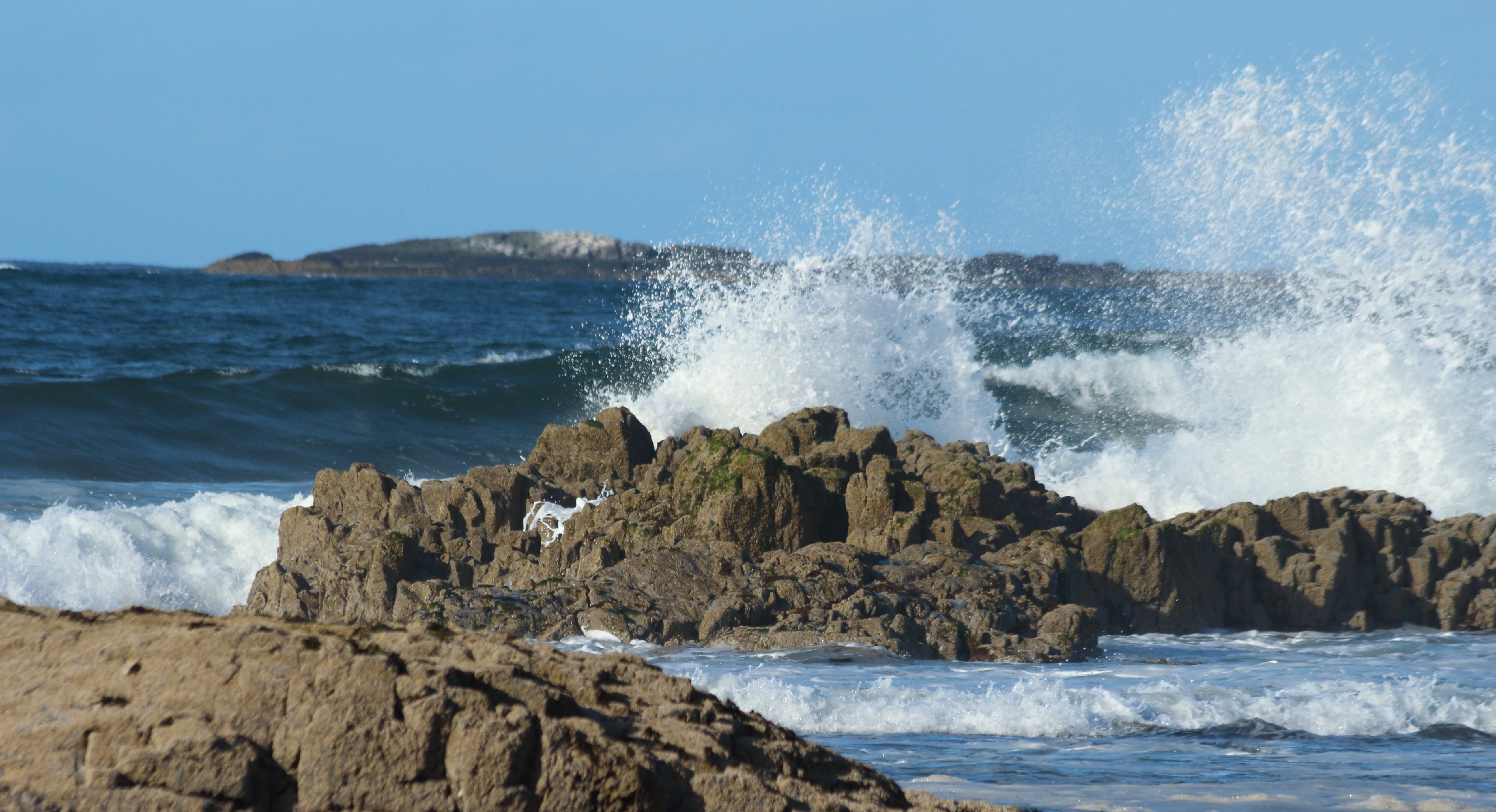
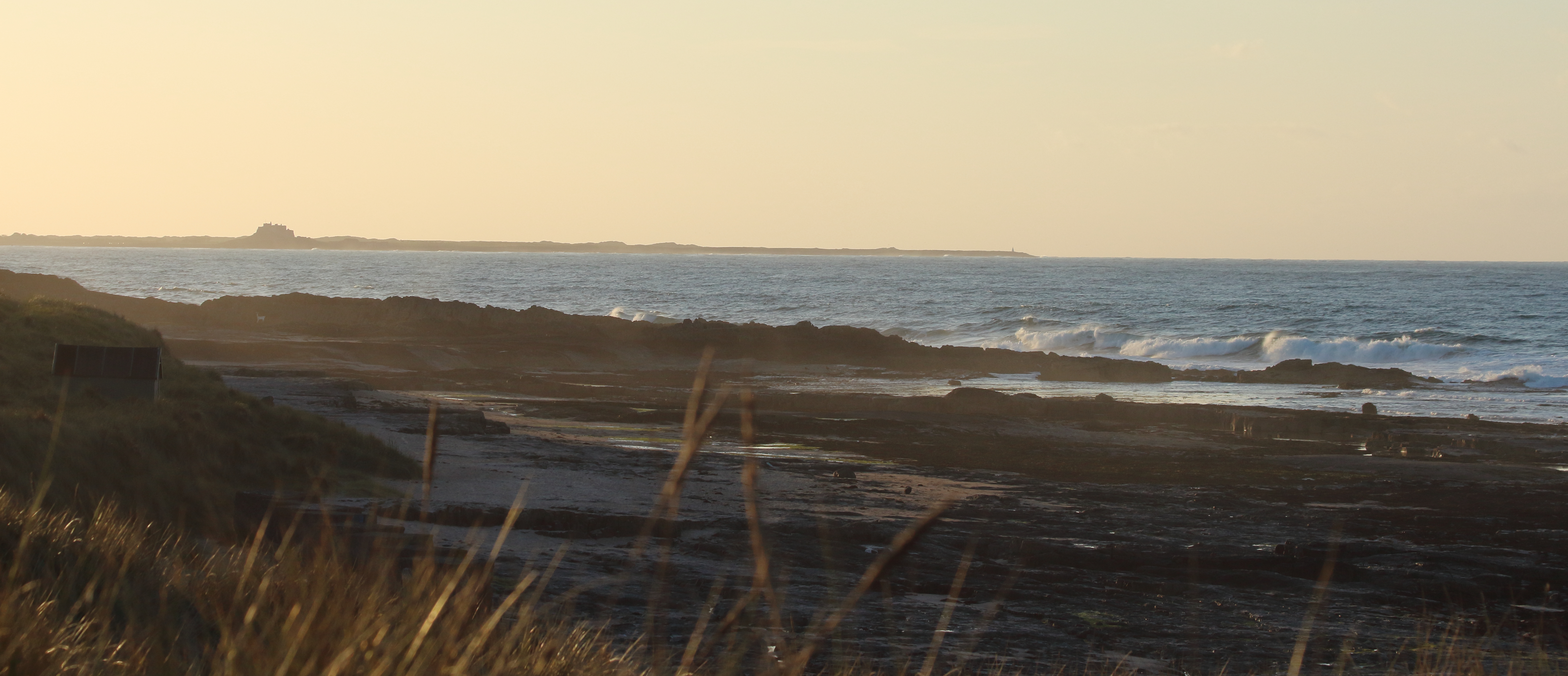
Your wind can share energy and information, it can bring warmth and awareness or it can bring a soothing coolness when things get hot. The wind of your practice can sculpt the next stage of your journey, perhaps blowing you to places you never expected. Without wind it is easy to experience a stagnant stillness, sucking out your life and replacing it with stale emptiness, making you feel disheartened.
This often invisible but undeniably powerful force – the wind of your practice – is a creator. A workplace circulatory system in motion. A shaper and bringer of new life. You can choose the wind of your practice, it is part of you, and of course, it will change often, just like our weather system does.
It is the wind you create that defines the conditions for flourishing and change. It is the same wind that creates the conditions for your existence in that place. The conditions that welcome the wind, in whatever strength or patterns required for ongoing orientation and survival in your environment. There is, of course, the option to resist the wind and retain in place the stagnant air that brings tiredness and demotivation.
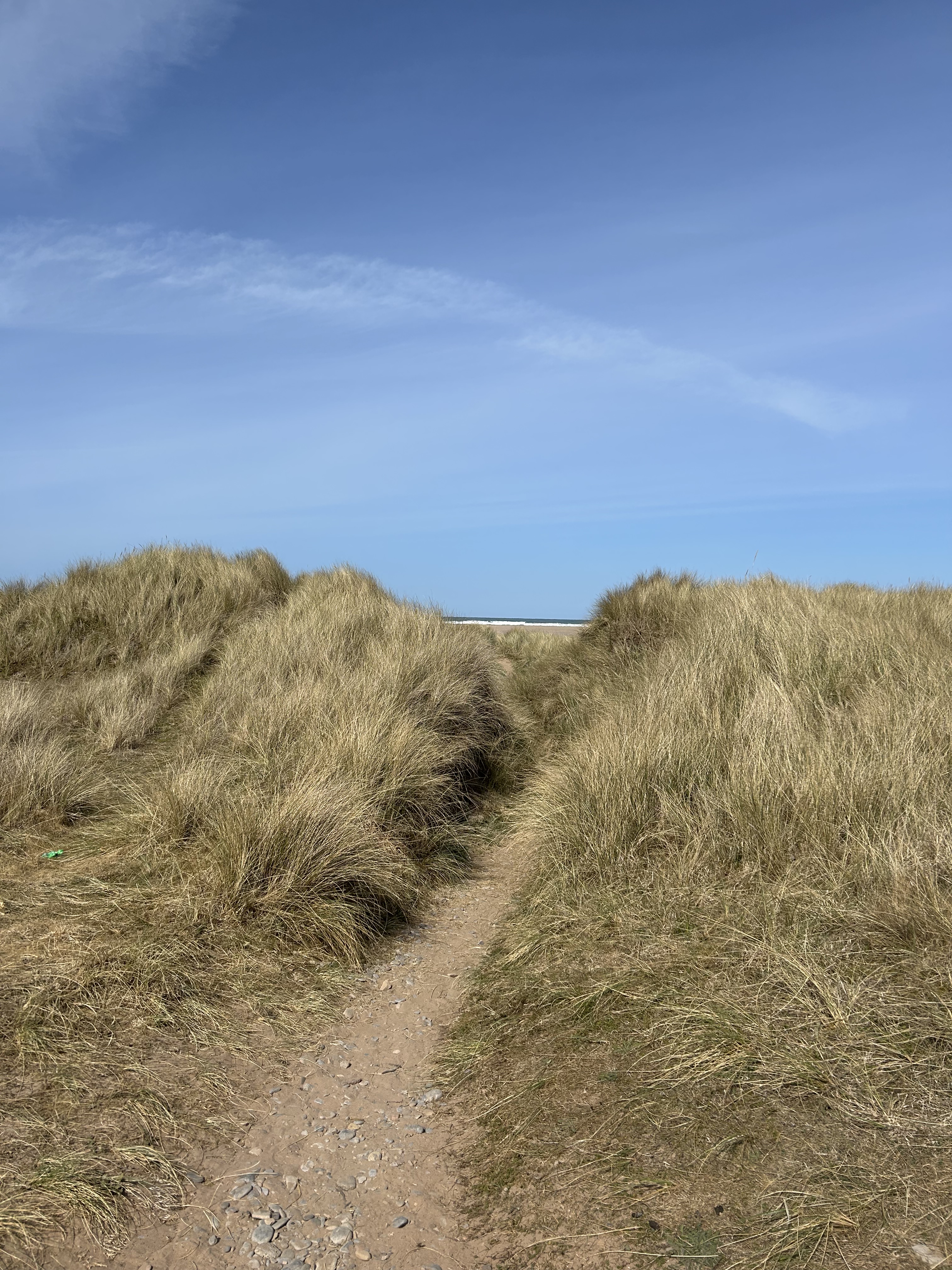
I call the picture above the ‘pathway to heaven’. I don’t believe in such a place but if it was real, then for me it would look like this. This is a pathway to a massive expanse of coastline where I hear nothing but the roar of the sea, the gushing of the wind and the delicate birdsong penetrating through both. It reminds me that our systems practice can be the bringer of such life or the destroyer of such life. Which do you aspire to be – the creator of the conditions for our humanness to flourish or the destroyer of our natural ways?


 systems practitioner Ltd